
The Global Impact of Retreading on Tire Waste Management
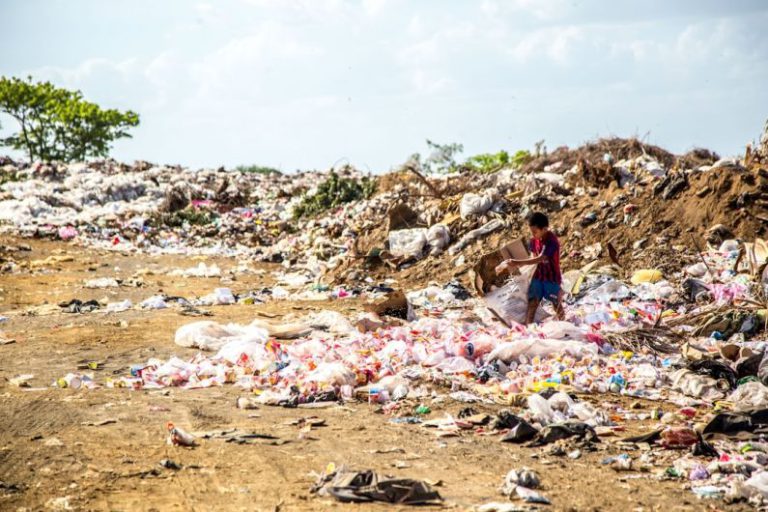
Tire waste management is a pressing issue that the world is grappling with due to the environmental hazards posed by discarded tires. The conventional method of disposing of used tires through incineration or landfilling has detrimental effects on the environment, ranging from soil pollution to the release of toxic chemicals into the atmosphere. As such, there is an urgent need for sustainable solutions to tackle the growing problem of tire waste. One such solution that has gained traction in recent years is retreading, a process that offers a more environmentally friendly alternative to tire disposal.
Retreading: A Sustainable Solution
Retreading involves the process of renewing a worn tire by replacing the worn tread with a new one. Unlike tire recycling, which shreds tires into raw materials for new products, retreading allows a tire to be reused multiple times, extending its lifespan and reducing the demand for new tires. This process not only conserves valuable resources but also significantly reduces the volume of tires that end up in landfills or incinerators.
Economic Benefits of Retreading
Apart from its environmental advantages, retreading also offers significant economic benefits. The cost of retreading a tire is considerably lower than that of manufacturing a new tire, making it a cost-effective option for businesses and consumers. In industries where tires are a significant expense, such as transportation and logistics, retreading can lead to substantial cost savings over time. Additionally, the retreading industry creates jobs and supports local economies, further contributing to its economic impact.
Global Adoption of Retreading
The practice of retreading has gained widespread acceptance across the globe as more countries recognize its environmental and economic benefits. Developed nations, such as the United States and European countries, have well-established retreading industries that cater to a diverse range of sectors. In developing countries, where the disposal of tire waste poses a significant challenge, retreading offers a viable solution to address the issue of tire waste management sustainably.
Environmental Implications of Retreading
From an environmental standpoint, retreading plays a crucial role in reducing the carbon footprint associated with tire production. The manufacturing of new tires requires significant amounts of raw materials and energy, leading to greenhouse gas emissions and other environmental impacts. By retreading tires instead of producing new ones, the strain on natural resources is minimized, and the environmental footprint of the tire industry is reduced. Additionally, retreading helps to mitigate the pollution caused by tire incineration and landfilling, contributing to cleaner air and soil quality.
Challenges and Opportunities
Despite its numerous benefits, the retreading industry faces challenges that hinder its widespread adoption. One of the main obstacles is the perception that retreaded tires are of lower quality compared to new tires. However, advancements in retreading technology have significantly improved the quality and performance of retreaded tires, making them a reliable and safe alternative to new tires. Education and awareness campaigns are essential to dispel misconceptions and promote the benefits of retreading to consumers and businesses.
The Way Forward: Embracing Sustainable Practices
In conclusion, retreading represents a sustainable solution to the global issue of tire waste management. By extending the lifespan of tires and reducing the demand for new ones, retreading helps conserve resources, reduce waste, and lower greenhouse gas emissions. As the world continues to grapple with environmental challenges, embracing practices like retreading is crucial in moving towards a more sustainable future. By promoting the adoption of retreading and supporting initiatives that encourage its use, we can make a significant impact on tire waste management and contribute to a cleaner, greener planet.