
Reducing the Ecological Footprint with Tire Retreading Initiatives
**Reducing the Ecological Footprint with Tire Retreading Initiatives**
Every year, millions of tires are discarded worldwide, contributing to environmental pollution and resource depletion. The tire industry’s impact on the environment is significant, but there are sustainable solutions available that can help reduce this ecological footprint. One such initiative gaining traction is tire retreading, a practice that not only extends the lifespan of tires but also minimizes waste and conserves resources. In this article, we will explore the benefits of tire retreading initiatives and how they play a crucial role in reducing the ecological impact of the tire industry.
**The Environmental Impact of Tire Waste**
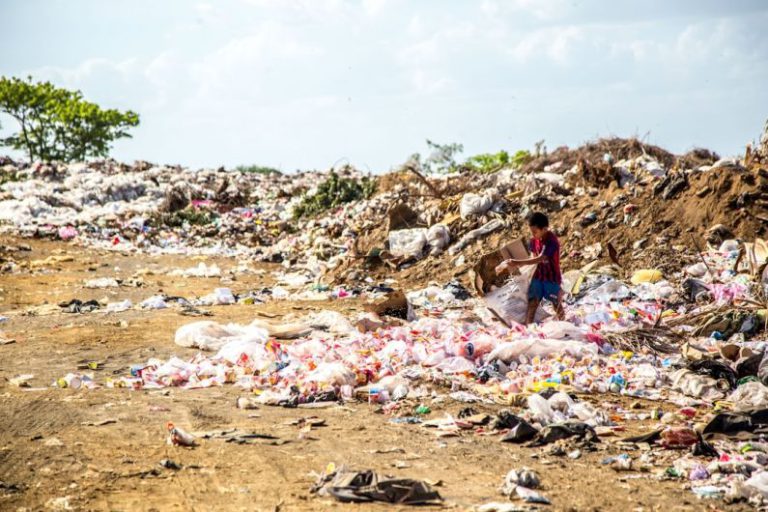
Tires are made from a combination of natural and synthetic rubber, as well as other materials like steel and fabric. When tires reach the end of their useful life, they are often disposed of in landfills or incinerated, leading to environmental harm. The decomposition of tires releases harmful chemicals into the soil and water, polluting ecosystems and posing health risks to humans and wildlife. Additionally, the production of new tires requires significant amounts of raw materials, energy, and water, further exacerbating the environmental impact of the tire industry.
**Tire Retreading: A Sustainable Solution**
Tire retreading offers a sustainable alternative to the disposal of used tires. Instead of discarding tires after their initial tread wears out, retreading involves replacing the worn tread with a new layer of rubber. This process restores the tire’s functionality and extends its lifespan, reducing the need for the production of new tires. By reusing existing tire casings, retreading helps conserve resources, reduce waste, and lower carbon emissions associated with tire manufacturing.
**Benefits of Tire Retreading Initiatives**
1. **Environmental Conservation**: Retreading reduces the demand for new tires, decreasing the extraction of raw materials and the energy consumption associated with tire production. By extending the life of tires, retreading helps conserve natural resources and minimizes the environmental impact of tire waste.
2. **Cost-Effectiveness**: Retreaded tires are more affordable than new tires, making them a cost-effective option for consumers and businesses alike. The lower cost of retreaded tires can result in significant savings over the long term, making it an attractive choice for budget-conscious individuals and fleet operators.
3. **Improved Safety**: Contrary to common misconceptions, retreaded tires are as safe and reliable as new tires when properly manufactured and maintained. Retreading is a regulated process that adheres to strict quality standards, ensuring that retreaded tires meet performance and safety requirements.
**Promoting Sustainable Practices in the Tire Industry**
As the demand for sustainable solutions grows, tire retreading initiatives are gaining momentum in the tire industry. Manufacturers, retailers, and consumers are increasingly recognizing the benefits of retreading in reducing the ecological footprint of tire production and disposal. By supporting tire retreading initiatives, stakeholders can contribute to a more environmentally responsible and resource-efficient industry.
**Innovations in Tire Retreading Technology**
Advancements in tire retreading technology have further enhanced the quality and durability of retreaded tires. New processes, materials, and quality control measures have improved the performance of retreaded tires, making them a reliable and sustainable choice for various applications. With ongoing research and development, the future of tire retreading looks promising in terms of both environmental impact and performance.
**Embracing a Sustainable Future**
As we strive to reduce our ecological footprint and mitigate the environmental impact of various industries, tire retreading initiatives present a practical and effective solution for the tire industry. By embracing sustainable practices like retreading, we can contribute to a cleaner, greener future while preserving valuable resources for generations to come. Let us continue to support and promote initiatives that prioritize environmental conservation and sustainability in all aspects of our lives.