
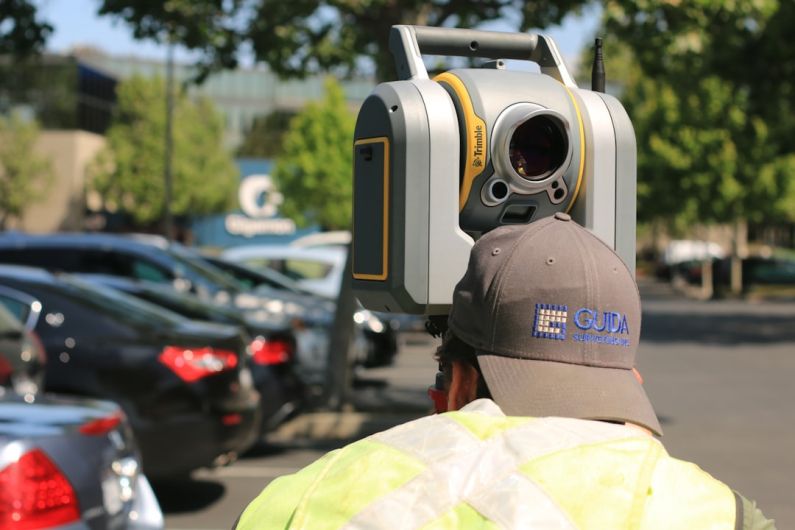
Introducing Laser Scanning for Precision Retread Molds
Precision in the retreading process is essential to ensure the quality and longevity of retreaded tires. With advancements in technology, the introduction of laser scanning has revolutionized the way retread molds are designed and produced. Laser scanning offers unparalleled accuracy and precision, allowing for the creation of molds that meet the exact specifications required for retreading tires. In this article, we will explore the benefits and applications of laser scanning in the retreading industry.
**Enhancing Precision with Laser Scanning**
Laser scanning technology utilizes high-precision laser measurements to capture detailed 3D data of an object’s surface. This data is then used to create precise digital models that can be used for designing retread molds with exceptional accuracy. By eliminating the need for manual measurements and guesswork, laser scanning ensures that every detail of the mold is captured with precision, resulting in a perfect fit for the tire during the retreading process.
**Improving Efficiency and Quality**
One of the primary advantages of using laser scanning for precision retread molds is the significant improvement in efficiency and quality. Traditional methods of mold design often involve time-consuming manual measurements and adjustments, which can lead to inaccuracies and inconsistencies in the final product. With laser scanning, the entire process is streamlined, allowing for quick and accurate measurements that result in molds of the highest quality.
**Customization and Adaptability**
Another key benefit of laser scanning technology is its ability to accommodate customization and adaptability in mold design. Whether it’s creating molds for specific tire sizes or incorporating unique tread patterns, laser scanning allows for the precise replication of any design with ease. This level of customization not only enhances the aesthetic appeal of retreaded tires but also ensures optimal performance and safety on the road.
**Cost-Effective Solution**
While laser scanning technology may seem like a sophisticated and expensive solution, its long-term cost-effectiveness cannot be denied. By reducing manual labor and minimizing the risk of errors in mold design, laser scanning ultimately saves time and resources in the retreading process. The precision and accuracy achieved through laser scanning also result in longer-lasting retreaded tires, reducing the need for frequent replacements and maintenance.
**Applications Across Industries**
The benefits of laser scanning for precision retread molds extend beyond the tire retreading industry. This technology has found applications in various industries, including aerospace, automotive, and manufacturing. From creating custom components to reverse engineering existing parts, laser scanning offers a versatile solution for achieving precision and accuracy in design and production processes.
**Future Prospects and Innovation**
As technology continues to advance, the future of laser scanning in the retreading industry looks promising. Innovations in laser scanning equipment and software are making the process even more efficient and user-friendly, allowing for greater flexibility and creativity in mold design. With its ability to deliver unparalleled precision and quality, laser scanning is set to become an indispensable tool for manufacturers seeking to enhance their retreading operations.
**In Summary**
Laser scanning technology has transformed the way precision retread molds are designed and produced, offering unparalleled accuracy, efficiency, and customization. By leveraging the benefits of laser scanning, manufacturers can create molds that meet the exact specifications required for retreading tires, resulting in high-quality, long-lasting products. As the technology continues to evolve, the future of laser scanning in the retreading industry looks bright, promising further innovation and advancements in mold design and production.