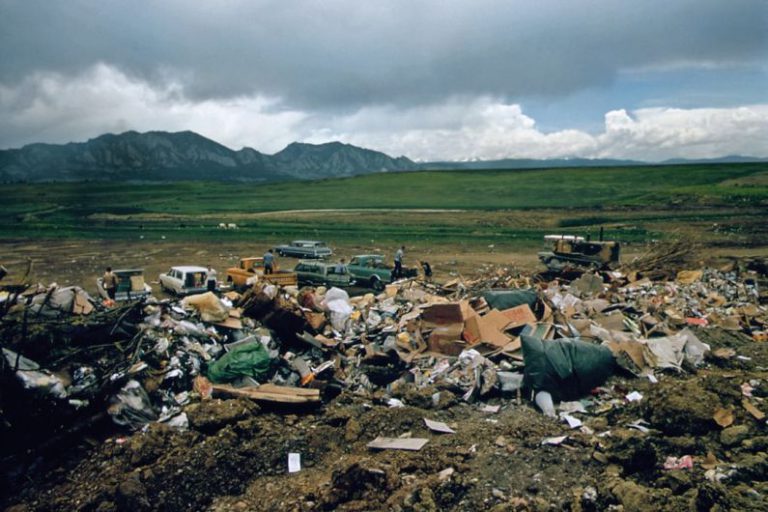

Promoting Green Spaces by Reducing the Tire Footprint
In our rapidly urbanizing world, the importance of green spaces cannot be overstated. These areas not only provide a sense of tranquility amidst the hustle and bustle of city life but also play a crucial role in promoting biodiversity, combating climate change, and improving the overall well-being of communities. However, the creation and maintenance of green spaces come with their own environmental footprint, particularly when it comes to tire waste. By focusing on reducing the tire footprint associated with green spaces, we can take a significant step towards promoting sustainability and preserving our environment for future generations.
**The Tire Footprint Dilemma**
One of the key challenges in maintaining green spaces is the use of machinery and vehicles for landscaping and maintenance activities. While these machines are essential for keeping green areas well-kept and accessible to the public, they also contribute to the generation of tire waste. Tires are a significant source of pollution and waste, as they are made of synthetic rubber and other materials that are difficult to recycle or dispose of properly. When these tires reach the end of their lifespan, they often end up in landfills or incinerators, releasing harmful chemicals and contributing to environmental degradation.
**Promoting Sustainable Practices**
To reduce the tire footprint associated with green spaces, it is crucial to adopt sustainable practices in the design, construction, and maintenance of these areas. One effective strategy is to prioritize the use of eco-friendly materials in landscaping projects. For example, using permeable paving materials instead of traditional asphalt or concrete can help reduce the need for heavy machinery and thus minimize tire wear and tear. Additionally, incorporating native plants and natural landscaping features can help create low-maintenance green spaces that require fewer resources and equipment for upkeep.
**Embracing Alternative Transportation**
Another way to reduce the tire footprint in green spaces is to encourage alternative modes of transportation for visitors. Providing bike lanes, pedestrian walkways, and public transportation options can help reduce the reliance on cars and other vehicles that contribute to tire waste. By promoting eco-friendly transportation choices, communities can not only reduce their environmental impact but also improve air quality and promote a healthier lifestyle among residents.
**Recycling and Repurposing Tires**
In addition to adopting sustainable practices, recycling and repurposing tires can also help minimize the tire footprint associated with green spaces. Tires can be repurposed into various products, such as rubber mulch for landscaping, playground surfaces, and even furniture. By finding creative ways to reuse old tires, we can reduce the demand for new tire production and mitigate the environmental impact of tire waste.
**Community Engagement and Education**
Lastly, engaging the community and raising awareness about the importance of reducing the tire footprint in green spaces is essential for driving meaningful change. Educating residents about the environmental impact of tire waste and the benefits of sustainable practices can inspire individuals to take action and support initiatives that promote green living. By fostering a sense of environmental stewardship within communities, we can cultivate a collective commitment to preserving green spaces and protecting the planet.
**In Summary**
Promoting green spaces by reducing the tire footprint is a multifaceted endeavor that requires a combination of sustainable practices, alternative transportation options, tire recycling initiatives, and community engagement. By taking proactive steps to minimize the environmental impact of tire waste associated with green areas, we can create more resilient and eco-friendly communities that prioritize sustainability and conservation. Through collective effort and dedication, we can build a greener future for generations to come.